



New Standard for Secure Payments

Litpay offers a pioneering payment system with a built-in anti-fraud model based on artificial intelligence and machine learning.

90%

of customers prefer security over transaction speed

20%

of Polish SMEs record as many as 50 cyberattacks a year!

10M PLN

in annual fraud losses at every 10th corporation in Poland

10M PLN

is also the potential savings for each of them!

TOOLS

How do we secure
online transactions?

The rising cybercrime is increasingly driven by AI. Litpay continuously learns new fraud techniques and analyzes transactions to effectively protect your customers.

Tracking

We base user understanding on over 5000 attributes in areas such as customer behavior, digital fingerprint, and network connection characteristics.

Artificial intelligence

We employ AI and ML solutions in our decision-making engine.

Data encryption

All data is encrypted, with the most sensitive information stored using state-of-the-art technologies.
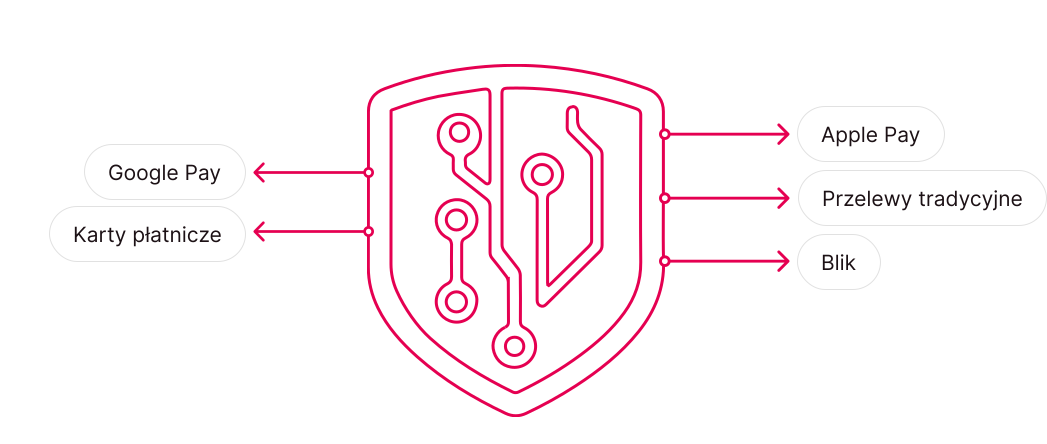
Convenience and Security

Litpay is compatible with all major online payment methods.

Payment gateway

with anti-fraud system

Litpay is a payment gateway using the most technologically advanced cyber security tools from Nethone, the market leader in online transaction protection. Our system protects against:

Scam attempts and theft

Unauthorized transactions

Money laundering

Collaboration

Implementation of secure e-payments

Consultation

Identifying your needs and tailoring the offer to your business

Implementation

Support while implementing our system in your company

Support

Periodic reports on detected fraud attempts

Litpay is entered in the list of Small Payment Institutions of the Polish Financial Supervision Authority and operates in compliance with the EU PSD2 Directive.

KNOWLEDGE BASE

How corporations assessed the scale of fraud threats in 2023

50%

50% of banks in Poland report an increase in fraud incidents — a year earlier it was 34%

100%

100% of corporations in Poland admit to being victims of fraud incidents — in 2022 it was 88%

>10M PLN

— the scale of annual losses reported by every tenth corporation

Fraud losses

chart for Polish companies in 2023

25%
25%

Under 100,000. PLN

7%
7%

101 thousand. – 500 thousand. PLN

11%
11%

501 thousand. – PLN 1 million

21%
21%

1.1 million – PLN 10 million

11%
11%

Above PLN 10 million

25%
25%

I don’t know, it’s hard to say

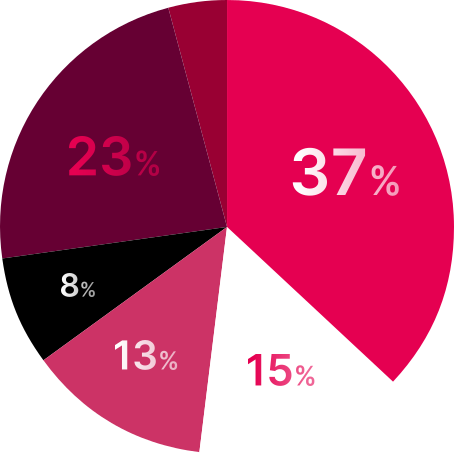
What are the most common ways of fraud?

37% Suspected emails

13% Impersonation

Impersonation

8% Goods / services fraud

23% Other

4% Don't know

What are the most common fraud risks?

18%

Theft of customer data

12%

Fraud committed by employees

31%

Utrata towaru

27%

Cyberataki

>100K PLN

According to our research, PLN 100,000 is the loss from a single fraud incident reported by one third of the companies that fell victim to fraud.

Source: "BIK Anti-Fraud Report 2023. Individual and Business Customers. Threats and Protection."

Ensure your customers comfort and security

By offering your users the Litpay gateway, you provide them with payments using a state-of-the-art fraud prevention system. Their sense of security is an added advantage for your business

FAQ

How is Litpay different from other e-payment gateways?

Litpay has an advanced system that protects against:

  1. Scam attempts and theft
  2. Unauthorized transactions
  3. Money laundering
What is the implementation of the Litpay gateway like?

Litpay has an advanced system that protects against:

  1. Scam attempts and theft
  2. Unauthorized transactions
  3. Money laundering
Can I implement Litpay into my e-commerce?

Litpay has an advanced system that protects against:

  1. Scam attempts and theft
  2. Unauthorized transactions
  3. Money laundering
Which customers does Litpay not work with?

Litpay has an advanced system that protects against:

  1. Scam attempts and theft
  2. Unauthorized transactions
  3. Money laundering
What industries does Litpay classify as high risk?

Litpay has an advanced system that protects against:

  1. Scam attempts and theft
  2. Unauthorized transactions
  3. Money laundering

Do you have any questions?
Write to us!